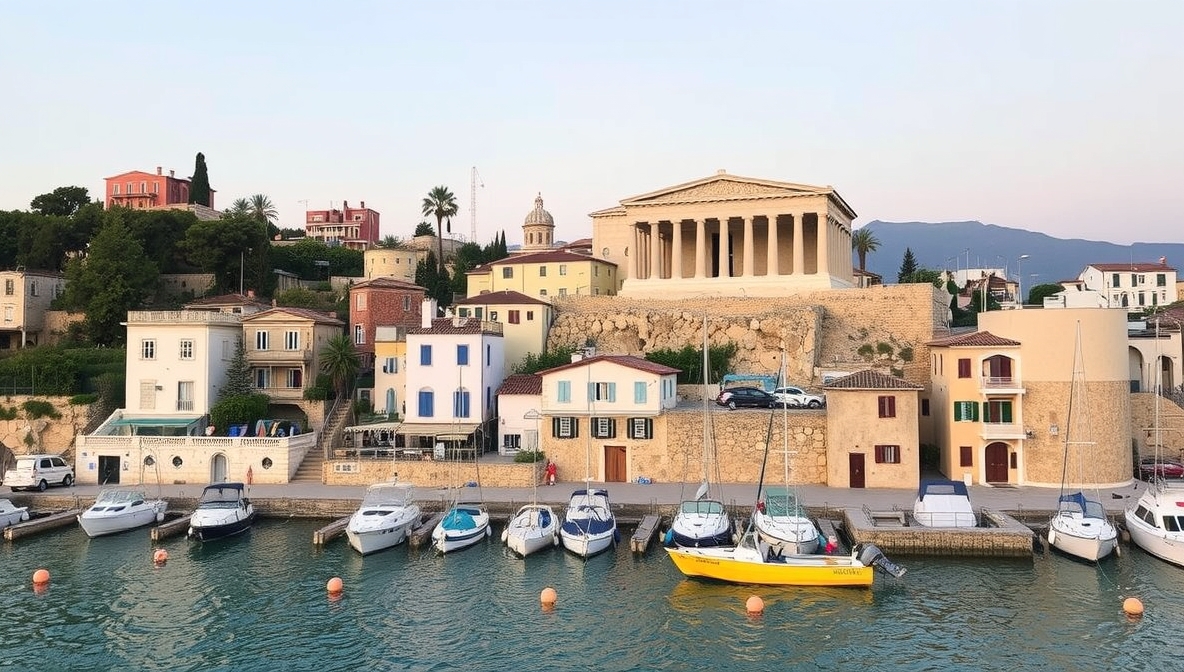
Time in Greece is an important thing to know if you are planning to travel, do business, or talk with friends there. Greece is a beautiful country full of history, beaches, and amazing food. Knowing the correct time in Greece helps you plan your trips, avoid confusion, and enjoy everything without rushing. Greece is in the Eastern European Time Zone, which means it is a few hours ahead of countries like the United Kingdom or the United States. This time difference can be tricky for travelers or people working online, so learning the local time is very useful. Time in Greece changes during the year because of daylight saving. This means that in summer, the clocks go forward one hour, and in winter, they go back one hour. This helps people get more daylight in the evenings, which is great for tourists and locals who love outdoor activities. Most businesses, shops, and restaurants in Greece follow the local time strictly, so knowing the time is also important if you want to meet people, catch buses, or visit famous attractions like the Acropolis in Athens or the beaches in Santorini. Greece is a popular destination for travelers, so checking the local time helps you avoid missing flights or tours.
Understanding Time Zones in Greece
Greece is in the Eastern European Time Zone (EET). During standard time, Greece is UTC +2, and during daylight saving time, it moves to UTC +3. This time zone is shared by other countries in Eastern Europe. Travelers coming from the United States, the United Kingdom, or Asia need to adjust their watches and schedules to match Greece’s time. Understanding the time zone helps with international calls, flights, and online activities.
Most digital devices like smartphones and computers automatically adjust to Greece’s time zone. However, knowing it manually is useful in case you travel to remote areas or islands where technology may not always work. Greece also uses the 24-hour clock for official purposes, like train schedules, flights, and government offices, while locals often use the 12-hour clock in daily life.
Daylight Saving Time in Greece
Daylight saving time in Greece is observed to make better use of daylight. The clocks go forward one hour in the last Sunday of March and go back one hour in the last Sunday of October. During this period, evenings are longer, which is perfect for tourists who want to enjoy beaches, outdoor dining, and sightseeing.
It is important to check the exact dates of daylight saving before traveling. Missing the time change can affect transportation schedules, hotel check-ins, and event attendance. Airlines, ferries, and trains follow local time strictly, so planning according to the correct time prevents delays and missed connections.
Time in Greece for Travelers
Travelers visiting Greece should pay attention to the local time to avoid confusion. Popular destinations like Athens, Santorini, Mykonos, and Thessaloniki attract millions of tourists every year. Knowing the time helps you plan your daily activities like visiting the Acropolis, going on island tours, or enjoying the sunset in Santorini.
Public transportation in Greece, including buses, trains, and ferries, runs according to local time. Missing the correct departure time can be frustrating, especially if you are moving between islands. Checking the local time and schedules is essential for a smooth travel experience.
Time in Greece for Business and Communication
Time in Greece is also important for international business. Companies communicating with Greece need to schedule meetings based on the local time to ensure smooth communication. Greece’s time difference can be significant depending on where you are located. For example, when it is morning in the United States, it may already be afternoon or evening in Greece.
Online work, video calls, and international conferences all depend on accurate time planning. Knowing the local time in Greece ensures that you do not miss important deadlines, virtual meetings, or online events.
Adjusting to Greece’s Time Zone
Travelers coming from faraway countries may experience jet lag due to the time difference. Adjusting to Greece’s time zone is important for energy, sleep, and overall enjoyment of your trip. Some tips to adjust include: sleeping according to the new time zone before traveling, spending time outside in daylight, and staying hydrated.
Adjusting to local time also helps in enjoying cultural events and festivals. For example, Greek Easter celebrations, music festivals, and local markets follow local time, and being aware of it ensures you do not miss these experiences.
Time in Greece for Events and Festivals
Greece has many cultural and religious events that are time-sensitive. Major festivals like Easter, Carnival, and local music or food festivals start at specific times. Planning your visit according to the local time ensures that you arrive early and enjoy the full experience.
Sunrise and sunset times are also important in Greece. Islands like Santorini are famous for their sunsets. Arriving at the right time allows travelers to witness the full beauty of the scenery. Time in Greece is a key factor when planning these visits.
Time in Greece for Technology and Online Activities
Many people connect with Greece for online gaming, virtual tours, online classes, or remote work. Greece is ahead of several countries in time zones, so planning online activities according to local time is crucial. Being aware of the time difference helps in avoiding missed sessions or calls.
Smartphones, computers, and other digital devices can adjust automatically, but understanding the local time manually ensures you are never late or early for important events.
Banking, Payments, and Daily Life
Time in Greece affects banking hours, online payments, and daily life activities. Banks, post offices, and government offices operate on local time, and visiting them outside working hours may result in delays. Shopping, transportation, and appointments also depend on knowing the correct time.
For tourists, being aware of store opening and closing times, as well as transportation schedules, ensures a stress-free experience.
Best Time to Visit Greece Based on Local Time
Knowing the local time can help you plan the best time for sightseeing, beaches, and outdoor activities. Summer evenings are longer due to daylight saving, which allows more time to explore and enjoy the warm weather. Morning visits to popular attractions can avoid crowds, and timing your activities according to local time helps you make the most of your trip.
Time in Greece also affects photography opportunities. Sunrise and sunset times vary depending on the season, so planning according to local time ensures that you capture beautiful moments.
Tips for Travelers About Time in Greece
- Always check the current local time before planning activities.
- Adjust your watch or phone to Greece’s time zone upon arrival.
- Consider daylight saving changes during your visit.
- Plan transportation, tours, and events according to local time.
- Use local time for calls, messages, and online communication.
Conclusion
Time in Greece is more than just numbers on a clock. It affects travel plans, communication, work, and cultural experiences. Understanding the time zone, daylight saving, and local practices ensures that your visit is smooth and enjoyable. Whether you are visiting Athens, Santorini, or other parts of Greece, keeping track of the time allows you to experience everything without missing out. Proper planning according to Greece’s time helps in making memories, enjoying festivals, and exploring this beautiful country fully.
FAQs
What time zone is Greece in?
Greece is in the Eastern European Time Zone (EET), which is UTC +2 in standard time and UTC +3 during daylight saving time.
Does Greece observe daylight saving time?
Yes, Greece observes daylight saving. Clocks go forward one hour in the last Sunday of March and go back one hour in the last Sunday of October.
How do I adjust to Greece’s time zone when traveling?
Travelers can adjust by sleeping according to the new time zone before traveling, spending time in daylight, staying hydrated, and following local schedules.